Work Boots Essentials: Your Guide to Safety, Comfort & Durability
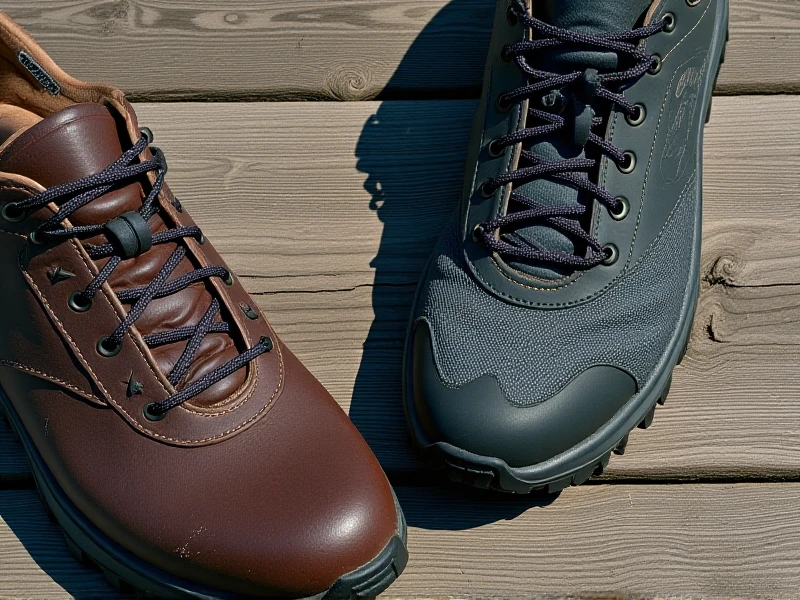
Finding the right work boots is crucial for performance, safety, and long-term comfort in demanding environments. Whether you're on a construction site, navigating factory floors, or working outdoors, investing in quality work boots protects your most valuable asset: you. Here’s what defines exceptional work boots.
Safety First: Non-Negotiable Protection Safety toes are paramount for protecting against crushing injuries. Steel toe remains a robust, economical choice, while composite toe offers lightweight security suitable for security checks or electrical work. For slip hazards, prioritize boots with superior tread patterns and slip-resistant rubber outsoles meeting ASTM F2913 standards. Electrical hazard-rated (EH work boots) provide critical insulation against live circuits, while puncture-resistant soles shield feet from sharp debris.
Enduring Comfort for Extended Wear A stiff, uncomfortable boot quickly becomes unbearable during a long shift. Modern durable work boots integrate advanced comfort technologies. Look for cushioned insoles and flexible midsoles offering arch support and impact absorption. Breathable linings, often featuring moisture-wicking properties, keep feet dry and cool, reducing fatigue and blister risk. Features like padded collars and tongues enhance overall fit. Break-in periods vary; brands like Timberland PRO, Keen Utility, and Wolverine are known for effective comfort engineering.
Built Tough: Materials That Last The lifespan of your safety boots depends heavily on construction materials.
- Leather: Full-grain leather boots deliver unbeatable durability, water resistance (especially treated), and abrasion resistance. Ideal for construction and heavy industry. Look for oil-tanned or waterproof leather versions.
- Nubuck/Suede: Offers a softer feel and shorter break-in time but generally less waterproof. Good for less abrasive environments.
- Synthetics: Lightweight and often more affordable, advanced synthetics offer improved breathability but may sacrifice longevity compared to premium leather. Consider the job demands.
Choosing the Right Fit & Support Proper fit prevents accidents and discomfort. Measure your feet professionally later in the day when feet swell slightly. Ensure adequate toe room (about a thumbnail's space at the end) and a snug heel without slippage. Adequate ankle support is vital for stability on uneven terrain, reducing strain and sprain risks. Lace-up boots provide the most customizable support compared to pull-ons.
Investing Wisely in Your Daily Protection High-quality work boots represent an investment in your well-being and productivity. Don't settle for the cheapest option; consider the specific hazards of your job, the expected durability, and the essential comfort features that allow you to perform safely and confidently all day long. Research brands, read reviews from fellow tradespeople, and prioritize boots meeting relevant safety certifications (ASTM, CSA, ISO). Replace worn-out boots promptly to maintain peak protection. Your feet deserve the best defense against workplace challenges. Choose work boots engineered for your task.