Your Ultimate Guide to Choosing the Best Outdoor Shoes for Every Adventure
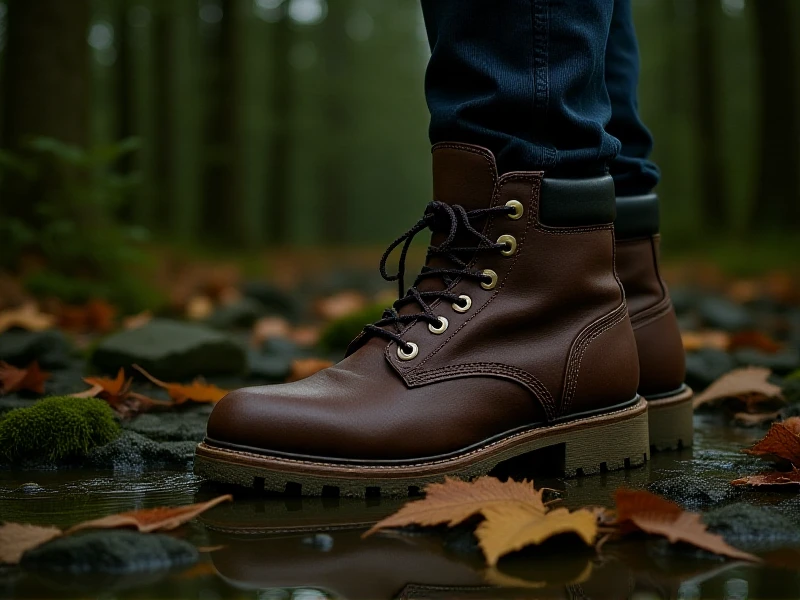
Stepping off the pavement demands footwear built for the unpredictable. Whether you're tackling muddy forest trails, scrambling over rocky terrain, or simply enjoying a brisk walk in the park, the right Outdoor Shoes are your fundamental connection to the ground beneath your feet. Not all footwear is created equal for the demands of nature. Selecting the perfect pair involves understanding activity, terrain, and essential features.
The first step is identifying your primary adventure. Dedicated hiking shoes or hiking boots offer ankle support and rugged soles for uneven ground and heavier loads. Trail running shoes prioritize lightweight agility and responsive cushioning for faster movement on technical paths. Approach shoes, built like hybrid climbing/hiking shoes, excel on steep, rocky scrambles with sticky rubber soles. Understanding this primary purpose narrows down the massive field of Outdoor Shoes.
Next, terrain dictates critical features. For consistently wet or muddy conditions, waterproof outdoor shoes (often using membranes like Gore-Tex) become essential. In drier, hotter climates, prioritize breathability and quick-drying materials (like mesh) to keep feet comfortable. Aggressive tread patterns (lugs) are crucial for loose dirt, mud, or scree, providing vital traction. On smoother trails, you might opt for less aggressive lugs for a smoother ride.
Material and construction impact durability and weight. Robust leather uppers offer superior protection but can be heavier and slower to dry. Synthetics, like nylon or textile blends, are lighter, quicker-drying, and more breathable. Modern outdoor shoes often blend materials strategically. Pay close attention to the outsole rubber. High-quality, sticky rubber compounds (like Vibram) offer exceptional grip on varied surfaces, including wet rock.
Fit is non-negotiable for outdoor shoes. Your feet naturally swell during activity, especially on long days. Try shoes on later in the day when feet are larger. Wear the socks you intend to hike or walk in. Ensure there's ample room in the toe box (about a thumb's width from your longest toe) to prevent downhill jamming and blisters. Your heel should feel securely locked down with minimal slippage. Walk vigorously on an incline and decline if possible. Don't settle; a slightly imperfect fit in the store translates to misery on the trail.
Investing time in choosing the right outdoor shoes transforms your experience. They provide protection, traction, stability, and comfort – allowing you to focus on the beauty around you, not the discomfort underfoot. Prioritize fit for your intended activity and environment; your feet (and adventures) will thank you. Get ready to conquer new terrain in confidence!
Meta Description Snippet: Discover how to choose the best Outdoor Shoes for hiking, trail running & adventures! Expert tips on fit, waterproofing, traction, and finding your perfect match for any terrain.